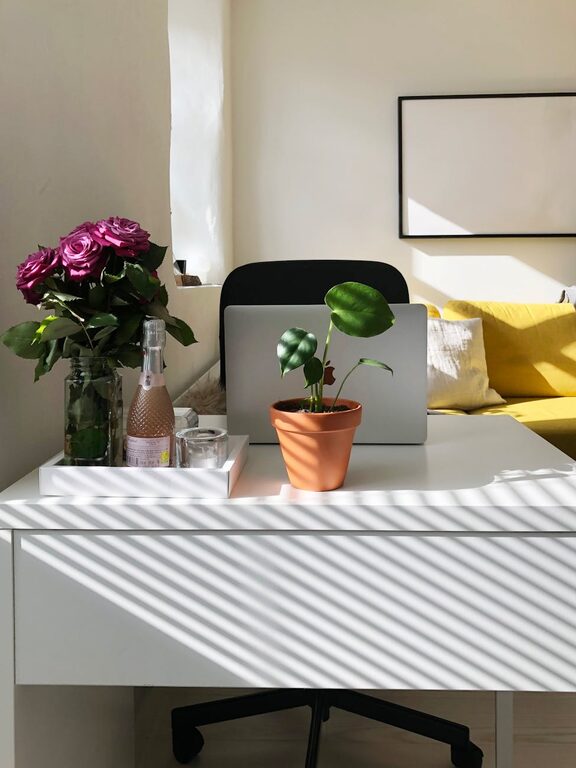
Working from home has become a norm for many people, and having a well-designed workspace is essential for staying productive and relaxed. A home workspace should feel comfortable yet efficient, allowing you to complete tasks without feeling overwhelmed or distracted. In this post, we’ll explore practical tips to create a home office environment that promotes focus, comfort, and creativity.
Choose the Right Location
Finding the best spot in your home to set up your workspace is the first step. Ideally, you want a quiet area with minimal foot traffic and noise.
– Natural Light: Set up near a window if possible. Natural light can improve mood and energy levels.
– Separate from Leisure Areas: Avoid working in places associated with relaxation, like the bedroom or couch, to maintain a professional mindset.
– Consider Privacy: Use a spare room, corner, or even a foldable screen to create boundaries if space is limited.
Invest in Ergonomic Furniture
Comfort plays a big role in how productive and relaxed you feel during work hours.
– Chair: Choose an adjustable chair with good lumbar support to prevent back strain.
– Desk: Ensure your desk height allows your wrists and forearms to be parallel to the floor while typing.
– Monitor Position: The top of your screen should be at eye level to avoid neck pain.
Ergonomic furniture reduces physical discomfort and helps maintain a healthy posture throughout the day.
Declutter and Organize
A cluttered environment can lead to distractions and stress. Organizing your workspace helps keep your mind clear and focused.
– Clear Surfaces: Keep only essential items on your desk. Use drawers or shelves to store supplies.
– Cable Management: Use clips or ties to keep cords neat and untangled.
– Storage Solutions: Invest in organizers, file holders, or bins to keep documents and tools sorted.
Taking a few minutes to tidy up at the end of each day sets you up for a productive tomorrow.
Personalize Your Space
Adding personal touches makes your workspace welcoming and enjoyable.
– Plants: Indoor plants can purify air and add a calming element.
– Artwork or Photos: Choose items that inspire or relax you.
– Colors: Use soothing colors like soft blues or greens to foster a peaceful environment.
Personalization should enhance your space without creating distractions.
Manage Noise and Distractions
Background noise and interruptions can interrupt your flow. Taking steps to manage these distractions can improve concentration.
– Noise-Canceling Headphones: Great for blocking out household sounds.
– White Noise Machines or Apps: These can mask sudden noises and help maintain focus.
– Set Boundaries: Communicate your work hours clearly with family or housemates.
Creating a quiet atmosphere is key to deep work.
Establish a Routine and Breaks
Even in your home workspace, maintaining a structured routine can boost productivity.
– Set Work Hours: Define a clear start and end time to separate work from personal life.
– Scheduled Breaks: Take short breaks every hour to stretch or walk around.
– Movement: Consider incorporating standing desks or doing light exercises during breaks to stay energized.
A regular routine helps build discipline and prevents burnout.
Optimize Lighting and Screen Settings
Proper lighting reduces eye strain and fatigue.
– Balance Natural and Artificial Light: Avoid glare by positioning your screen perpendicular to windows.
– Adjust Screen Brightness: Match the brightness of your monitor with your surroundings.
– Use Task Lighting: A desk lamp with adjustable brightness can provide focused light when needed.
Good lighting supports long hours of comfortable work.
Technology and Connectivity
Make sure your tech setup supports your workflow smoothly.
– Reliable Internet: A strong and stable internet connection is vital.
– Essential Tools: Invest in quality peripherals like keyboards, mice, and webcams.
– Backup Power: Consider a UPS or backup battery for important work devices.
The right technology reduces frustration and downtime.
Incorporate Relaxation Elements
Integrating relaxation into your workspace can maintain mental well-being.
– Aromatherapy: Essential oils or scented candles can create a soothing atmosphere.
– Comfort Items: A cozy throw, cushions, or stress-relief gadgets can help calm nerves.
– Relaxation Space: If possible, have a nearby spot to step away and unwind during breaks.
Balancing work demands with relaxation keeps motivation high.
—
Creating a home workspace that blends productivity with relaxation is achievable with thoughtful planning. By choosing the right location, organizing efficiently, personalizing your area, and managing distractions, you can foster an environment that helps you work effectively while maintaining well-being. Remember, your home workspace should support both your professional goals and your comfort. With these tips, you can design a space that feels like your personal haven for work and creativity.