
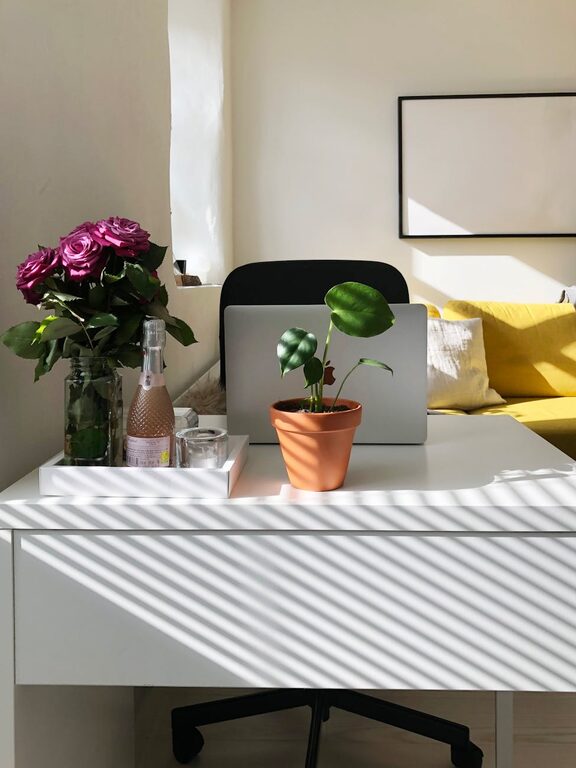
Creating a relaxing home workspace is essential for staying productive and comfortable during your workday. When your environment feels calm and inviting, it becomes easier to focus and maintain energy. Whether you work remotely full-time or occasionally, setting up a space in your home that balances relaxation and functionality can make a big difference. Here are practical tips to help you design a home office that promotes both comfort and productivity.
Choose a Quiet, Dedicated Space
Finding a specific area in your home for work is the first step to creating a productive environment. This space should be as quiet and free from distractions as possible. Ideally, pick a room or corner away from high-traffic zones, noisy appliances, or noisy family activities.
If separate rooms aren’t an option, try to create a physical boundary like a room divider or bookshelf to separate your work area visually. Having a dedicated workspace signals to your brain that it’s time to focus, helping you switch gears between work and relaxation.
Invest in Ergonomic Furniture
Comfort is key when working long hours. Choose an ergonomic chair that supports your back and encourages good posture, reducing strain and discomfort. Your desk should be at a height that allows your arms to rest comfortably while typing.
Adjustable chairs and desks that allow you to alternate between sitting and standing can also improve circulation and prevent fatigue. Don’t forget accessories like a footrest or a wrist pad to add extra comfort.
Optimize Lighting
Good lighting plays an important role in reducing eye strain and improving mood. Whenever possible, position your workspace near a window to take advantage of natural daylight. Natural light helps regulate your body clock and can boost energy levels.
For darker hours or spaces without windows, use layered lighting options. A combination of overhead lights and a desk lamp with adjustable brightness lets you customize the light intensity. Choose bulbs with a color temperature around 4000K to 5000K, which closely mimic daylight and help you stay alert.
Keep the Space Organized and Clutter-Free
A tidy, organized workspace helps clear your mind and reduce stress. Invest in storage solutions like shelves, drawers, and desk organizers to keep your supplies and documents neatly arranged.
Try to keep only essential items on your desk to minimize distractions. Regularly declutter the space to maintain a sense of order. Using cable organizers can also keep cords out of sight, creating a cleaner look.
Personalize for Comfort and Inspiration
Adding personal touches can make your workspace more inviting without compromising professionalism. Consider placing a few plants nearby to bring in a bit of nature — plants improve air quality and create a calming atmosphere.
Display photos, artwork, or motivational quotes that inspire you. Use soft textiles like a cozy throw or a cushion for added comfort. These details can make your workspace feel unique and welcoming, helping reduce work-related stress.
Incorporate Calming Colors and Textures
The colors and textures in your workspace influence your mood and focus. Soft, neutral tones like light blues, greens, or beiges are known to have calming effects. You can add these colors through wall paint, furniture, or décor items.
Textures such as wood, woven fabrics, or smooth ceramics also add warmth and comfort to the room. Avoid overly bright or harsh colors that can be distracting or stressful during work hours.
Establish a Routine and Boundaries
A relaxing workspace doesn’t end with design — your habits matter too. Create a daily routine that starts with setting up your workspace and ends by turning it off or tidying up before you stop working.
Set clear boundaries to separate work time from personal time. This might include turning off work notifications after office hours or using a “do not disturb” sign while you are focusing. Routine and boundaries support mental relaxation while maintaining productivity.
Use Soothing Sounds or Silence
Background noise can either help focus or cause distraction depending on the individual. If silence feels too isolating, try playing soft instrumental music or nature sounds to create a calming atmosphere.
There are many apps and playlists available with ambient sounds like rainfall, ocean waves, or gentle white noise. Find what works best for you to reduce tension and maintain concentration.
Prioritize Air Quality and Freshness
Fresh air and good ventilation improve concentration and overall well-being. If your workspace doesn’t have windows you can open, consider using an air purifier to reduce dust and allergens.
A well-ventilated room keeps you feeling refreshed and energized throughout your workday.
—
By applying these tips, you can transform any area of your home into a relaxing workspace that supports your productivity and well-being. Remember, the goal is to create an environment where you feel comfortable and focused, so take the time to customize the space to your needs. Small, thoughtful changes can make a big difference in how you experience your work-from-home days.