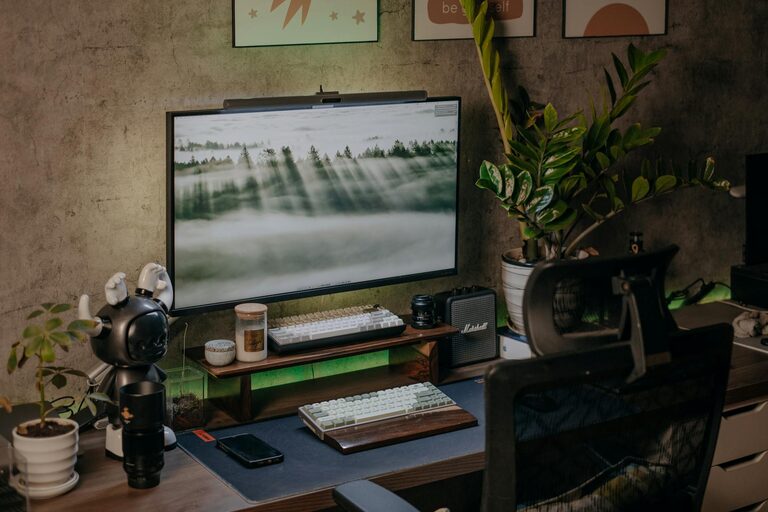
Creating a cozy and functional home workspace is essential for anyone who spends time working from home, studying, or managing personal projects. A well-designed space not only boosts productivity but also helps maintain comfort and focus throughout the day. Whether you have a dedicated room or just a small corner in your living area, these tips will guide you in making a workspace that suits your needs and feels inviting.
Choose the Right Location
Before setting up your workspace, consider where it will be most practical and comfortable. Ideally, select a quiet spot with good natural light. Natural light reduces eye strain and can elevate your mood, making work more enjoyable.
– Avoid locations with excessive noise or distractions.
– If possible, find a spot near a window for daylight.
– Consider your daily routine and choose a place easily accessible.
Invest in a Comfortable Chair and Desk
Ergonomics play a crucial role in a functional workspace. Spending long hours sitting can cause discomfort or even health issues if your furniture isn’t supportive.
– Select a chair with adjustable height and good lumbar support.
– Make sure your desk is at a height where your arms rest comfortably when typing.
– Consider a desk with sufficient surface area for your computer, notes, and other essentials.
Organize Your Space Efficiently
Clutter can disrupt focus and create unnecessary stress. Use smart storage options to keep everything tidy.
– Use shelves or cabinets to store books, files, and supplies.
– Keep frequently used items within arm’s reach to minimize interruptions.
– Use cable organizers to manage wires and keep your desk neat.
Personalize Your Workspace
A space that reflects your personality can make working more enjoyable and motivating.
– Add artwork, plants, or photos that inspire you.
– Choose colors and accessories that create a calm or energizing atmosphere, depending on your preference.
– Use a cozy throw blanket or cushion for added comfort.
Optimize Lighting
Good lighting complements natural light and helps maintain focus when natural light is limited.
– Use adjustable desk lamps with warm or neutral light tones.
– Avoid harsh fluorescent lights that can cause eye fatigue.
– Position your monitor to reduce glare from windows or lamps.
Incorporate Technology Thoughtfully
Technology is essential but can also be distracting or overwhelming if not well managed.
– Invest in quality equipment like a reliable computer, keyboard, and mouse.
– Use noise-cancelling headphones if noise is a concern.
– Set up your devices to minimize notifications during focused work periods.
Maintain a Healthy Work Routine
A cozy workspace supports a healthy routine, but habits matter too.
– Take short breaks to stretch or walk around every hour.
– Keep a water bottle nearby and stay hydrated.
– Set clear start and end times for your workday to maintain balance.
Add Elements to Boost Comfort and Mood
Small touches can make a big difference in how your workspace feels every day.
– Place a small indoor plant to add life and improve air quality.
– Use essential oil diffusers or scented candles for relaxing aromas.
– Play background music or ambient sounds if it helps you concentrate.
Maximize Small Spaces
If you have limited room, you can still create a great workspace.
– Use vertical storage options like wall-mounted shelves.
– Opt for foldable furniture or desks with drawers.
– Use light colors to make the area feel more open.
Conclusion
Designing a home workspace that is both cozy and functional is about blending comfort with practicality. By choosing the right location, investing in ergonomic furniture, organizing efficiently, and personalizing your area, you’ll create a space where you can work happily and effectively. Remember, a well-designed workspace supports not only productivity but also your well-being. Take the time to set up your home office thoughtfully, and enjoy the benefits every day.